Today, it feels like everything has changed—it’s either been closed, postponed, or canceled. Some states have officially shut down. You’re working from home, while watching your kids (and trying to teach them). You haven’t seen or hugged your loved ones in weeks.
1. Compatibility: The Culprit Behind Film “Bleeding” and “Fogging”
The primary condition for a PVC plasticizer is that it must “get along” with PVC resin (good compatibility). If cheap plasticizers with poor compatibility are used, over time, the plasticizer will migrate from the inside of the film to the surface, causing “bleeding” or “blooming.”
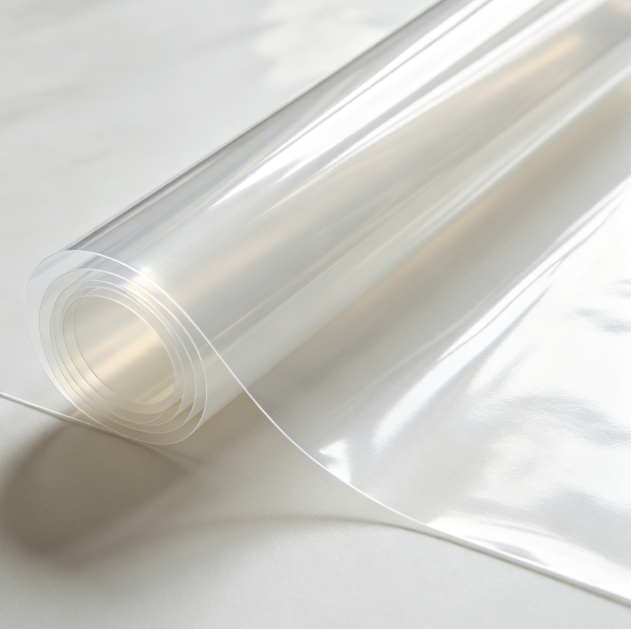
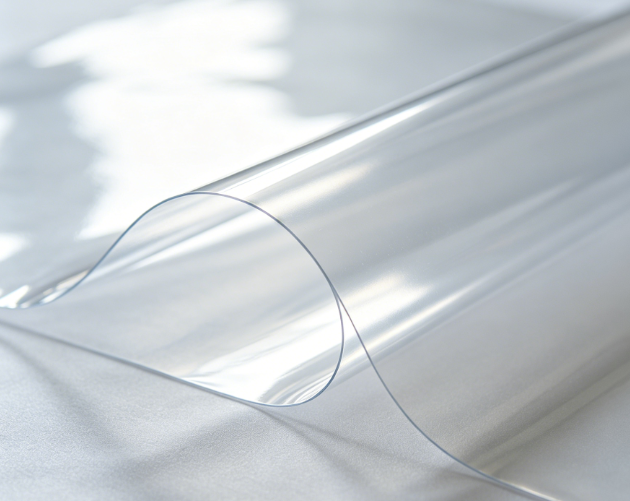
For transparent films, this is fatal. The exudate not only makes the film surface greasy and sticky but also severely destroys transparency, making a highly transparent film look “foggy.” At TENG YAO, we strictly select highly compatible primary plasticizers to ensure that bulk film remains dry and highly transparent even after long-term storage.
2. Plasticizing Temperature: The Key to Eliminating “Crystal Points”
The plasticization of soft PVC refers to the process where the plasticizer and PVC resin melt under high temperature to form a uniform material. The level of the plasticizing temperature directly relates to the film’s flatness and transparency.
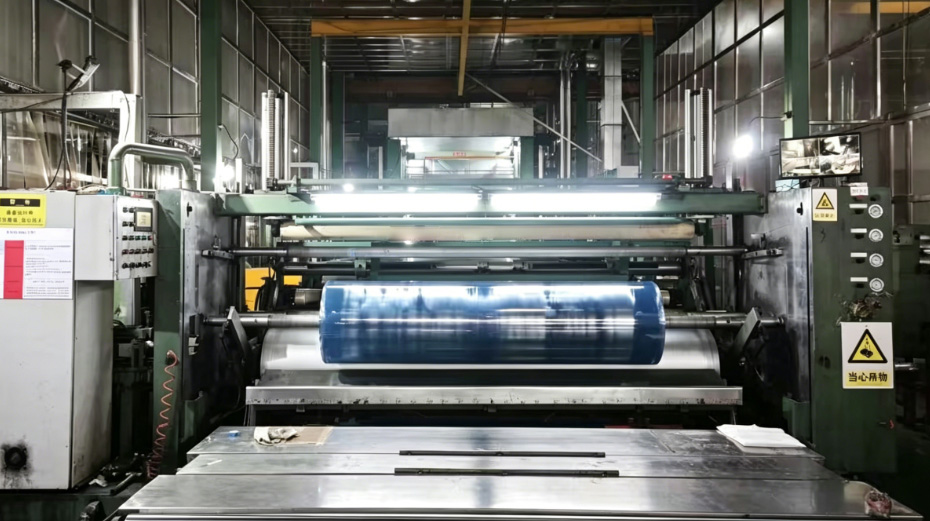
Generally, plasticizers with good compatibility and strong solvating power have lower plasticizing temperatures. If the plasticizing temperature is too high, during extrusion or calendering, the resin particles cannot fully melt, and un-plasticized “raw material” will be trapped in the film, forming visible “crystal points” or “fish eyes.” During sampling, TENG YAO adjusts the types of plasticizers to lower the system’s plasticizing temperature, ensuring good melt flow and producing crystal-clear film without impurity spots.
3. Plasticizing Efficiency: Precisely Balancing Softness/Hardness and Cost
Different types of plasticizers require different addition amounts to make PVC reach the same level of softness. The industry usually uses the dosage of DOP (Dioctyl Phthalate) as a baseline; the relative amount required for other plasticizers to achieve the same hardness is called “plasticizing efficiency.”
If a client wants a super soft film, we must increase the dosage; for a semi-rigid film, we decrease it. But adding too much plasticizer not only skyrockets costs but also leads to decreased tensile strength and stickiness. TENG YAO’s technicians precisely calculate plasticizing efficiency based on the client’s specific hardness requirements (such as the Shore A value measured by a durometer), finding the optimal cost-performance balance between primary and auxiliary plasticizers.
Producing the film is just the first step; whether it can maintain performance in harsh environments depends on the durability of the plasticizer. This mainly includes three aspects:
- Anti-volatility: Mainly determined by the molecular weight of the plasticizer. Plasticizers with small molecular weights easily volatilize in high-temperature containers during summer. Once the plasticizer escapes, the film becomes hard, brittle, and even cracks.
- Anti-migration: Directly related to compatibility. If the film is used to package other items, plasticizers with poor anti-migration will “run” onto the surface of the packaged goods, causing contamination.
- Anti-extraction: If the film is used for liquid packaging or outdoor environments, it must resist extraction by water, oil, or solvents.
For export orders, TENG YAO firmly rejects the use of easily volatile, inferior plasticizers, ensuring the physical stability of the film during high-temperature sea freight and long-term shelf life right from the source.
5. Special Properties: Meeting “Customized Add-ons” for Specific Scenarios
Besides basic softening, plasticizers can endow films with special functions. For example, packaging films shipped to Russia or Canada must include cold-resistant plasticizers (like DOA, DOS) to prevent the film from becoming brittle and cracking in sub-zero environments; films used for electronic components or coal mine environments require phosphate-based flame-retardant plasticizers; while medical or food-grade films require non-toxic epoxy or citrate-based plasticizers.