What is PVC Film?
PVC, short for Polyvinyl Chloride, is a type of plastic product.
PVC, short for Polyvinyl Chloride, is a type of plastic product.
How is PVC Produced?
As its name suggests, PVC is made from chlorine and ethylene. Ethylene, which is also a key raw material for producing ethylene glycol and polyethylene, is derived from natural gas and crude oil. Chlorine, on the other hand, is sourced from brine and salt (primarily composed of sodium chloride). Chlorine gas is obtained through electrolysis and then reacted with ethylene to produce polyvinyl chloride. This production method is known as the ethylene process.
As its name suggests, PVC is made from chlorine and ethylene. Ethylene, which is also a key raw material for producing ethylene glycol and polyethylene, is derived from natural gas and crude oil. Chlorine, on the other hand, is sourced from brine and salt (primarily composed of sodium chloride). Chlorine gas is obtained through electrolysis and then reacted with ethylene to produce polyvinyl chloride. This production method is known as the ethylene process.
Another method is the calcium carbide process. This approach uses acetylene and industrial hydrogen chloride as raw materials. The acetylene is derived from calcium carbide, which in turn is sourced from coal.
These two processes are at different stages of their development life cycles, with the ethylene process generally being more economically viable. Essentially, companies that produce PVC via the calcium carbide process tend to have a cost advantage if they operate their own power plants.
Where is PVC Used?
Research shows that the downstream demand for PVC accounts for 80% of its known derived demand. The breakdown is as follows: pipes and fittings (33%), consumer products like doors and windows (26%), soft goods (6.5%), flooring and wallpaper materials (8.5%), cables (5%), PVC film (11%), synthetic leather (3%), shoe sole materials (3.5%), and others (3.5%).
Research shows that the downstream demand for PVC accounts for 80% of its known derived demand. The breakdown is as follows: pipes and fittings (33%), consumer products like doors and windows (26%), soft goods (6.5%), flooring and wallpaper materials (8.5%), cables (5%), PVC film (11%), synthetic leather (3%), shoe sole materials (3.5%), and others (3.5%).
About Guangzhou Tengyao New Materials Co., Ltd.
With 20 years of unwavering commitment to the industry, Guangzhou Tengyao New Materials Co., Ltd. boasts strong capabilities in product development, manufacturing, and sales. Currently, its products are exported to over 50 countries worldwide.
With 20 years of unwavering commitment to the industry, Guangzhou Tengyao New Materials Co., Ltd. boasts strong capabilities in product development, manufacturing, and sales. Currently, its products are exported to over 50 countries worldwide.

Characteristics and Applications of PVC Calendered Film
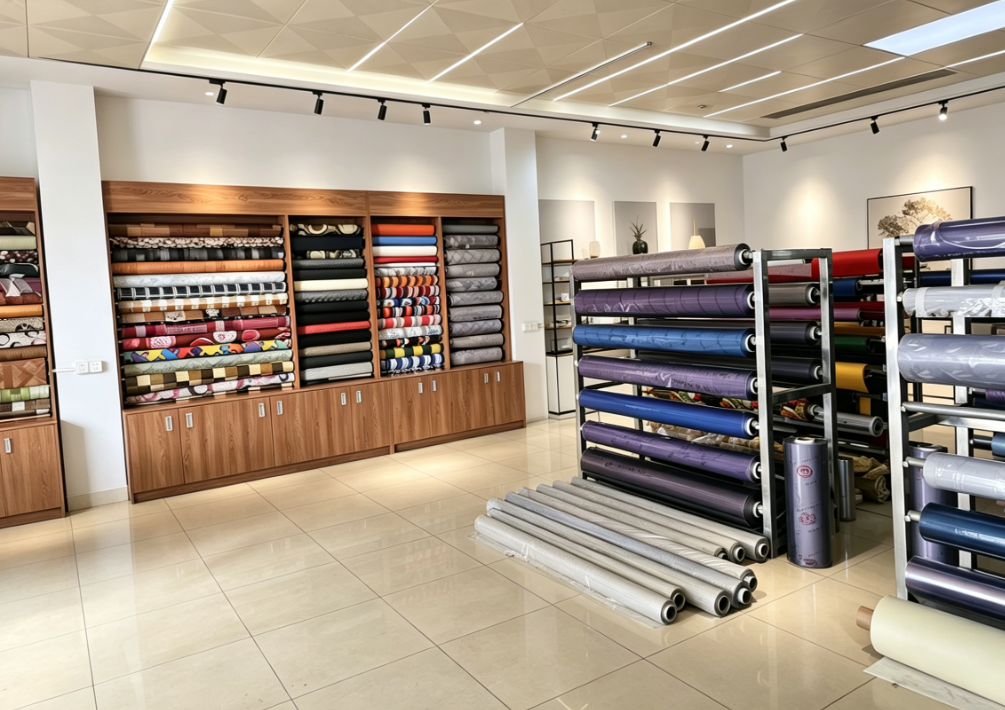
PVC calendered film is a closed-cell foamed plastic made from polyvinyl chloride (PVC) resin as the base material, blended with additives such as foaming agents and stabilizers, and processed through kneading, ball milling, forming, and foaming.
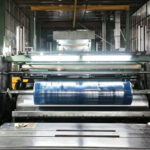
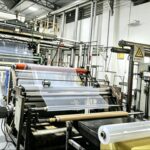
PVC calendered film is produced using the calendering process. Calendering involves passing heated PVC plastic through the gaps between one or more pairs of counter-rotating horizontal rollers, where the material is squeezed and stretched into a specific thickness, resulting in a thin product with uniform width and a smooth surface. PVC calendered film holds a significant position in the market for plastic greenhouse films. Furthermore, it is widely used in various fields, including salt fields, industrial packaging, electrical insulation, inflatable products, light box advertising, engineering waterproofing, and daily necessities packaging.
The extensive application of PVC calendered film is primarily due to the following characteristics:
1. High Tensile Strength
PVC calendered film boasts a high tensile strength of up to 29 MPa. During previous sandstorms in Northwest China, both PE (polyethylene) and EVA (ethylene-vinyl acetate) films were damaged, whereas the PVC calendered film remained intact.
PVC calendered film boasts a high tensile strength of up to 29 MPa. During previous sandstorms in Northwest China, both PE (polyethylene) and EVA (ethylene-vinyl acetate) films were damaged, whereas the PVC calendered film remained intact.
2. Superior Quality and Performance
As an agricultural covering material, PVC calendered film (which possesses secondary infrared absorption capabilities) and PE film are highly effective in promoting crop growth and development.
As an agricultural covering material, PVC calendered film (which possesses secondary infrared absorption capabilities) and PE film are highly effective in promoting crop growth and development.
3. Excellent Transparency
PVC calendered film is extruded using mirror-finish rollers during the forming process, resulting in a very high surface finish and minimal water droplet condensation. This leads to a high light transmittance, which is highly beneficial for crop photosynthesis.
PVC calendered film is extruded using mirror-finish rollers during the forming process, resulting in a very high surface finish and minimal water droplet condensation. This leads to a high light transmittance, which is highly beneficial for crop photosynthesis.
4. Uniform Thickness
Due to the crown shape of the rollers, roller crossing mechanisms, pre-straining of the lower rollers, and fine grinding of the roller surfaces, PVC calendered film achieves a high degree of thickness precision.
Due to the crown shape of the rollers, roller crossing mechanisms, pre-straining of the lower rollers, and fine grinding of the roller surfaces, PVC calendered film achieves a high degree of thickness precision.
5. Excellent Bonding Performance
Depending on application requirements, PVC calendered film can be easily joined using methods such as high-frequency welding, heat sealing, or adhesive bonding, making it highly convenient to use.
Depending on application requirements, PVC calendered film can be easily joined using methods such as high-frequency welding, heat sealing, or adhesive bonding, making it highly convenient to use.